


An Overview of the Rental Situation for Foreign Residents in Japan
Searching for rental housing in Japan as a foreigner? While Tokyo has seen an increase in properties that accept non-Japanese tenants, the reality is that most listings still reject foreign applicants—often due to cultural misunderstandings, language barriers, and systemic gaps in the rental process.
Here are some of the most common problems foreign residents face when renting an apartment in Japan, and how our company, Oitomares, supports those who need help.
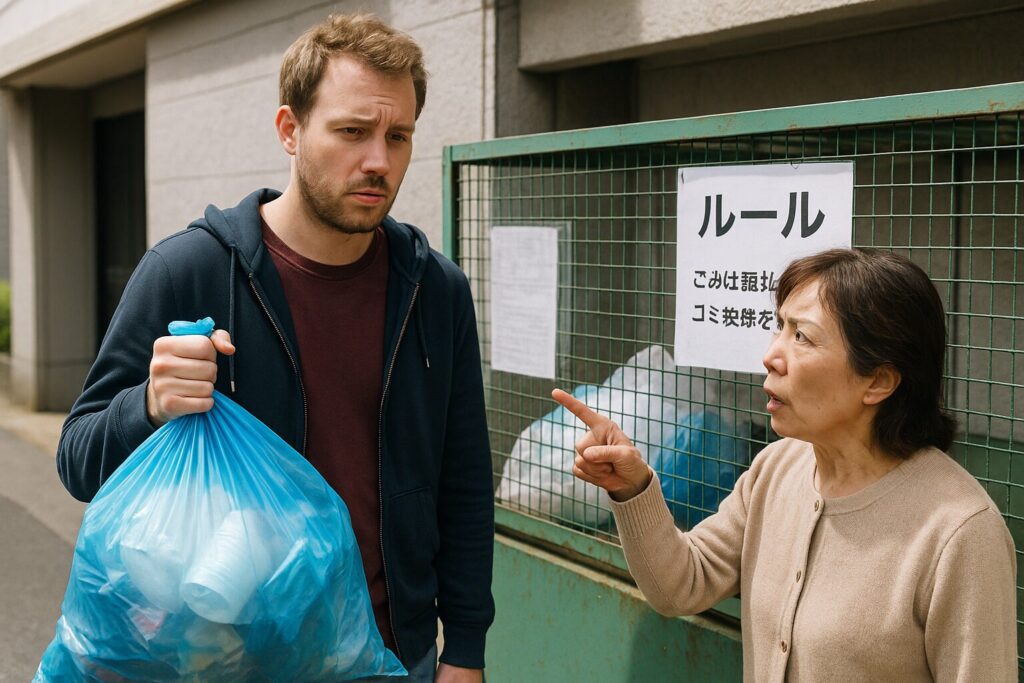
1. Misunderstanding Local Trash Disposal Rules
Garbage separation and disposal rules in Japan are strict and vary by municipality. If tenants dispose of garbage incorrectly (wrong day, wrong category, wrong location), it can result in complaints from neighbors or the landlord. Unfortunately, the rules are often written only in Japanese, making compliance difficult for non-native speakers.
2. Confusion About Neighborhood Associations
In some areas, tenants are expected to join the local neighborhood association (jichikai or chōnaikai), which involves community cleaning days or small fees. These expectations are rarely explained in English, and misunderstanding or refusing to participate can cause friction with locals.
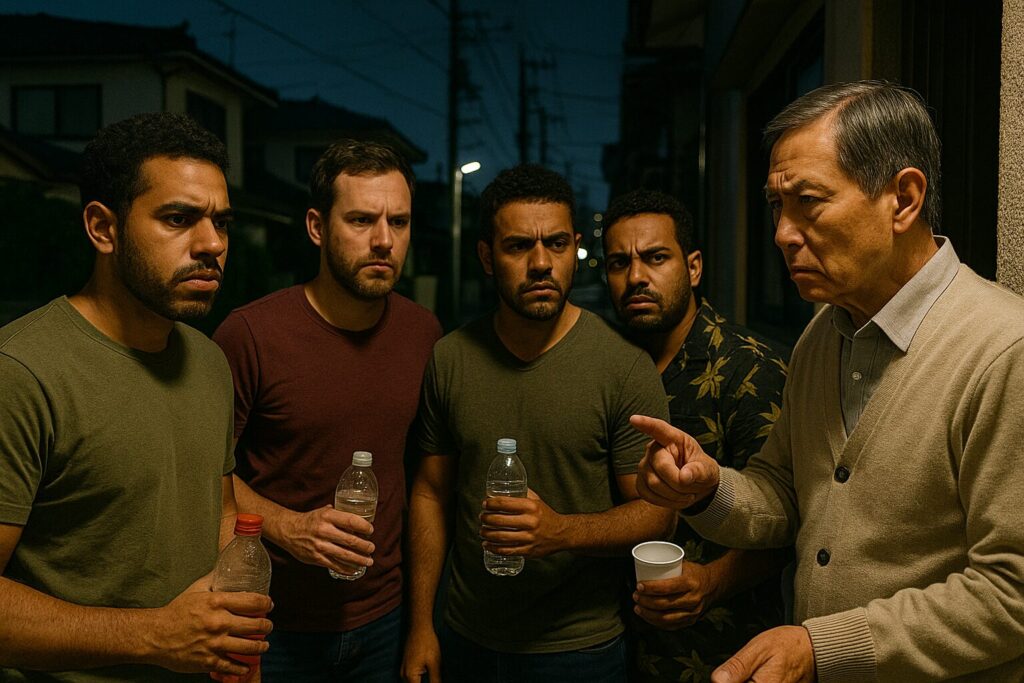
3. Noise Complaints and Unintentional Disturbances
Japanese apartments often have thin walls. Even small gatherings or conversations at night may lead to noise complaints. Cultural differences in what is considered acceptable noise can create conflict—especially when tenants assume the same standards as in their home country.
4. Lack of Emergency Contacts in Japan
Many landlords or property managers require an emergency contact living in Japan. Without one, the lease may be denied. Even after moving in, if something goes wrong (e.g., accident, illness), not having a reachable contact can complicate support from authorities or landlords.
5. Failing the Guarantor Company Screening
Most rentals require a guarantor company instead of a personal guarantor. Foreigners may be rejected by these companies due to short residency, lack of stable employment, or insufficient financial history—often without clear reasons provided.
6. Unclear and Unexpected Move-in Costs
Foreign tenants are often surprised by Japan’s unique(??) rental fees practice, which may include:
- Key money (reikin) – a non-refundable gift to the landlord
- Fire insurance – mandatory in most cases
- Guarantor company fee – typically one month’s rent
- 24-hour support fees – sometimes charged without explanation
- Lock exchange fees – common but rarely disclosed in advance
Without detailed guidance in their native language, tenants may sign contracts without fully understanding these costs.

7. High Cleaning Fees Upon Moving Out
At move-out, some tenants find that their entire deposit is used to cover cleaning and repair fees. Others are charged unexpectedly high amounts for minor wear and tear. Disputes often arise when the initial contract lacked clear explanations—or when communication is only in Japanese.
8. Rental Scams Targeting Foreigners (and How to Avoid Them)
Most landlords and agents in Japan are honest, but newcomers are an easy target for rental scams—especially people searching from overseas or through social media groups. These are the patterns we see most often:
- Bait listings: an attractive apartment at a below-market rent that is suddenly “already taken” when you ask about it, followed by pressure to sign for a different, more expensive unit.
- Payment before a viewing or contract: a “landlord” or “agent” asks you to wire a deposit or “holding fee” to a personal bank account, then stops replying.
- Unlicensed agents and illegal sublets: someone rents out a room they do not own, or sublets it without the owner’s consent, leaving you at risk of being forced to leave.
- Pressure tactics: “Pay today or you will lose it” deadlines that leave you no time to read the contract.
How to protect yourself
- Check the agent’s license. Every real estate agent in Japan must hold a real estate brokerage license (宅地建物取引業 – Takken-gyō), and the license number should appear on its website and documents. You can look it up in the Ministry of Land, Infrastructure, Transport and Tourism database.
- Do not pay before the Important Matters Explanation (重要事項説明 – Jūyō jikō setsumei). Before you sign, a licensed real estate transaction specialist must explain the key terms of the lease to you. If an “agent” skips this step, walk away.
- Pay only to a company account and keep receipts. Be very careful with transfers to personal accounts or payment requests sent through messaging apps.
- Make sure the property exists. View it in person or by live video call, and check that the address and room number match the contract.
- Ask for help when something feels wrong. In Japan you can call the Consumer Hotline at 188 or the police consultation line at #9110 (both mainly in Japanese), or contact a licensed agent you trust.
Looking for a place now? See our current rental listings in English—every property is handled by our licensed team, with the contract explained in English.
How Oitomares Can Help
We specialize in real estate support for foreign residents in Japan. Our services include:
- Property search and rental contract support
We introduce foreigner-friendly apartments, explain lease terms in multiple languages, and coordinate with landlords and guarantor companies. - Utility setup and move-in assistance
We help you open gas, water, electricity, and internet services—even before move-in. - Move-out and deposit settlement support
We can accompany you to move-out inspections, communicate with property managers, and help you understand cleaning fees or damage claims.
Multilingual Support Available
We offer full support in:
Japanese, English, Spanish, and Portuguese. For other languages, we can assist via chat tools.
Need Help Renting in Japan?
If you're feeling overwhelmed by rental procedures in Japan—or have already experienced issues—don’t hesitate to contact us. Oitomares is here to help foreign residents navigate Japanese real estate with clarity and confidence.


“Rental Scams & 7 Other Pitfalls When Renting in Japan as a Foreigner” に対して1件のコメントがあります。
コメントは受け付けていません。